


5 Pro Tips for a Spotless Fleet That Boosts Your Brand
Regular Maintenance Cycles Protect Your Investment
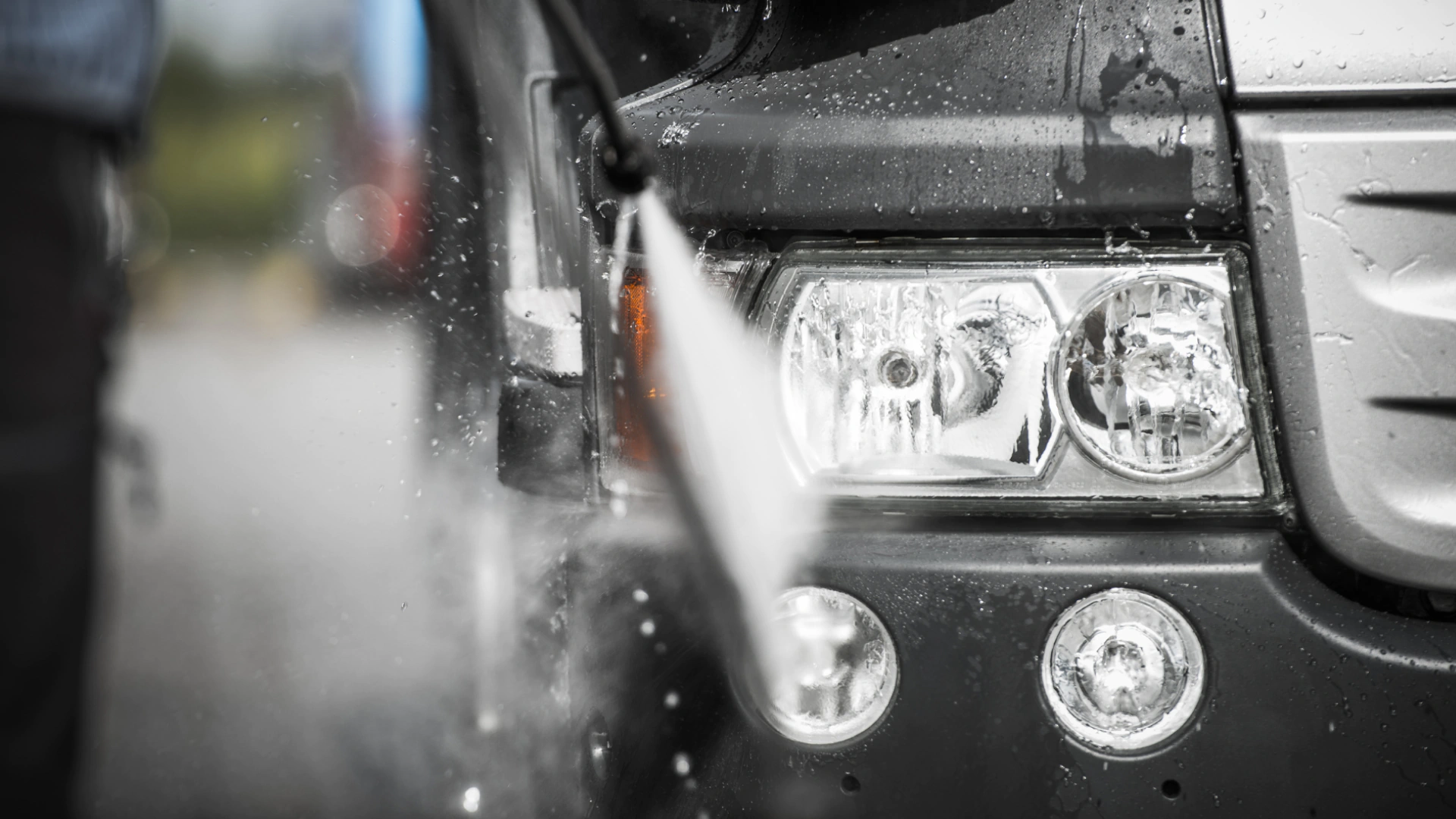
The foundation of maintaining a spotless fleet begins with establishing a regular washing schedule tailored to your operational demands. Vehicles that travel Nebraska’s rural routes encounter different challenges than those operating exclusively in urban environments. During spring months, when agricultural activity increases throughout the region, road dust and pollen accumulation can quickly diminish your fleet’s appearance between washing cycles.
Creating a maintenance calendar based on mileage intervals rather than arbitrary time frames ensures each vehicle receives attention when needed most. High-mileage vehicles covering 500 miles or more weekly benefit from bi-weekly washing sessions, while lighter-duty trucks may only require monthly service. This systematic approach prevents dirt buildup that becomes increasingly difficult to remove and helps identify minor maintenance issues before they escalate into costly repairs.
Seasonal adjustments to your washing schedule prove essential in maintaining consistent results. Winter months bring road salt and de-icing chemicals that accelerate corrosion if left unaddressed, while summer heat bakes contaminants onto painted surfaces. Document each vehicle’s washing history to identify patterns and optimize your schedule for maximum efficiency and cost effectiveness.
Professional Solutions Deliver Superior Results
The cleaning products you select directly impact both the immediate appearance and long-term condition of your fleet vehicles. Consumer-grade car wash soaps lack the degreasing power necessary to remove diesel fuel residue, hydraulic fluid stains, and industrial grime that commercial vehicles accumulate during normal operations. Professional formulations designed specifically for fleet applications cut through these tough contaminants without damaging paint finishes, decals, or vinyl wraps that display your branding.
pH-balanced detergents protect aluminum components common on modern trucks while effectively removing oxidation and road film. Alkaline-based cleaners work exceptionally well on heavily soiled undercarriages and wheel wells, while acidic solutions prove more effective for removing mineral deposits and water spots that develop in hard water areas. Understanding which cleaning agent addresses specific soiling conditions allows you to achieve superior results without excessive scrubbing that risks surface damage.
Environmental regulations and water quality concerns make biodegradable, phosphate-free cleaning solutions the responsible choice for fleet operations. These formulations break down naturally without contaminating groundwater while still delivering the cleaning power necessary for commercial applications. Investing in quality cleaning products reduces the labor time required for each vehicle and minimizes water consumption by working more efficiently than diluted household alternatives.
Brand Visibility Drives Customer Recognition
Your company logo, contact information, and vehicle graphics serve as mobile advertisements that potential customers encounter throughout their daily routines. These brand elements deserve special attention during every washing session because they create the first impression of your business. Dirt accumulation around decals and lettering creates unflattering shadows and diminishes readability, while clean graphics project professionalism and attention to detail that customers associate with quality service.
Hand detailing around raised lettering, complex logo designs, and intricate graphics ensures complete removal of dirt trapped in crevices where automated systems cannot reach. Soft-bristle brushes specifically designed for vinyl graphics prevent damage while lifting embedded grime that dulls colors and reduces contrast. After washing, inspecting graphics for edge lifting or damage allows for timely repairs before moisture penetrates and causes complete failure of the adhesive bond.
Windows and windshields rate equal importance to painted surfaces when customers evaluate your fleet’s condition. Streaky, smeared glass suggests rushed or careless cleaning practices that raise questions about overall service quality. Using glass-specific cleaners and microfiber cloths eliminates residue that impairs driver visibility while ensuring a crystal-clear view of your professionally maintained vehicles. This attention to detail demonstrates the same thoroughness customers should expect when you service their properties or deliver their products.
Protective Treatments Extend Vehicle Longevity
Washing alone removes surface contaminants but does nothing to prevent future soiling or protect against environmental damage. Applying protective sealants creates a barrier between painted surfaces and the elements, making subsequent cleaning sessions faster and more effective. Modern polymer sealants bond to clear coat finishes and repel water, causing rain and spray to bead up and roll off rather than spreading across the surface and leaving mineral deposits.
The protective layer created by quality sealants reduces the adhesion of road tar, bug residue, and tree sap that otherwise require aggressive chemicals or abrasive methods to remove. This protection proves particularly valuable for vehicles that park outdoors overnight or operate in construction zones where airborne particles constantly bombard painted surfaces. Reapplying sealant every three to six months maintains continuous protection and preserves the factory finish that represents a significant portion of your fleet’s resale value.
Chrome trim, aluminum wheels, and stainless steel components benefit from specialized protectants formulated for metal surfaces. These products prevent oxidation that creates dull, chalky appearances while simplifying routine maintenance. A light coating of metal protectant applied after washing keeps these accents looking showroom fresh and prevents corrosion that leads to pitting and permanent damage requiring costly replacement of affected components.
Detailed Cleaning Prevents Long-Term Damage
Certain areas of commercial vehicles accumulate disproportionate amounts of grime and require focused attention during washing operations. Wheel wells trap mud, road salt, and brake dust that corrode metal components and create unsightly buildup visible even when the rest of the vehicle appears clean. Undercarriage areas exposed to road spray collect layers of oily residue mixed with dirt that hardens into deposits requiring high-pressure washing to remove effectively.
Door jambs, fuel filler areas, and cargo bed corners often get overlooked during routine washing but remain visible during loading operations or when drivers enter and exit vehicles. Customers and employees alike notice these details, and neglecting them undermines the positive impression created by gleaming exterior panels. Taking a few extra minutes to open doors and clean these transition areas demonstrates thoroughness that distinguishes truly well-maintained fleets from those receiving only superficial attention.
Rust spots and paint chips demand immediate treatment to prevent spreading corrosion that compromises structural integrity and diminishes resale value. Touch-up paint matched to your fleet’s color scheme addresses minor damage before moisture penetrates to bare metal. While washing sessions provide ideal opportunities to identify these issues, the actual repair work should occur separately to allow proper surface preparation and curing time for lasting results that blend seamlessly with surrounding finishes.